Scoliosis: Spinal Curvature Diagnosis and Treatment with Dr. Hazem El Fezary
What is scoliosis?
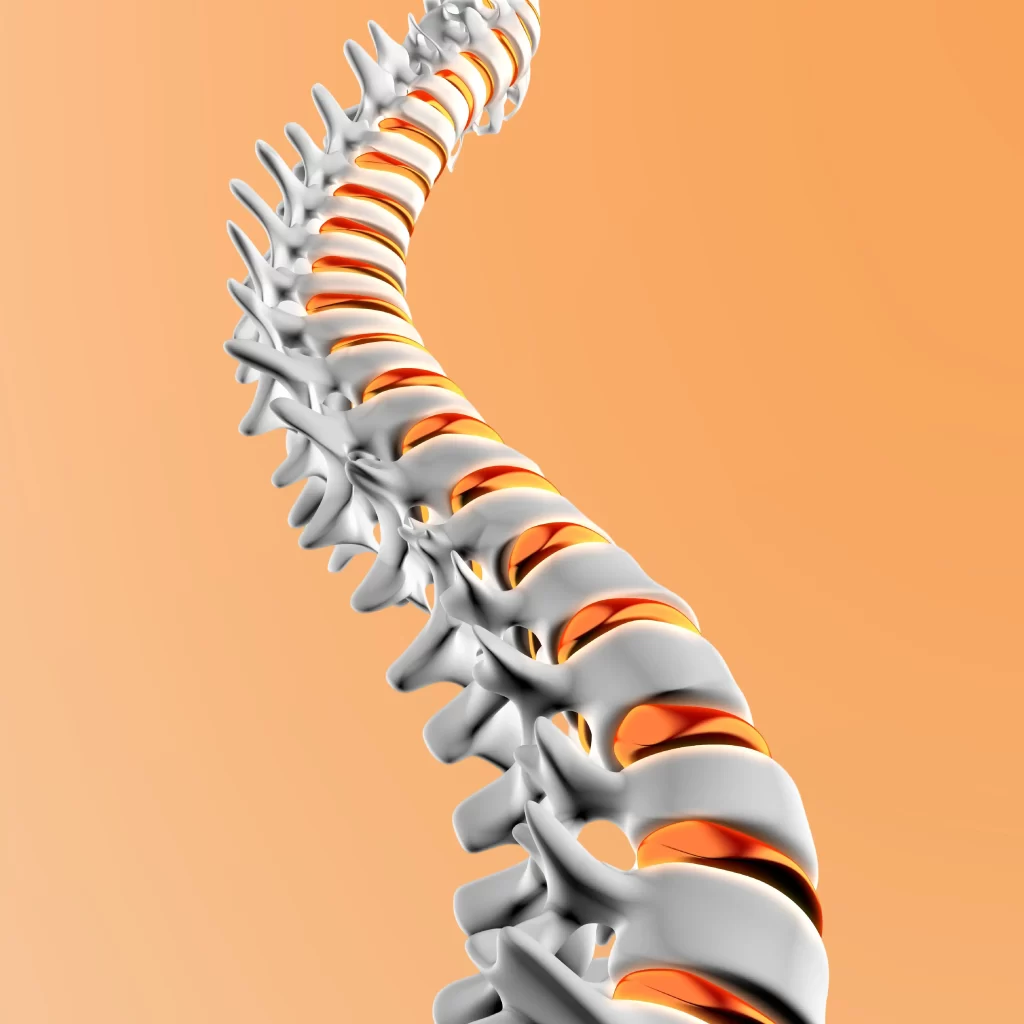
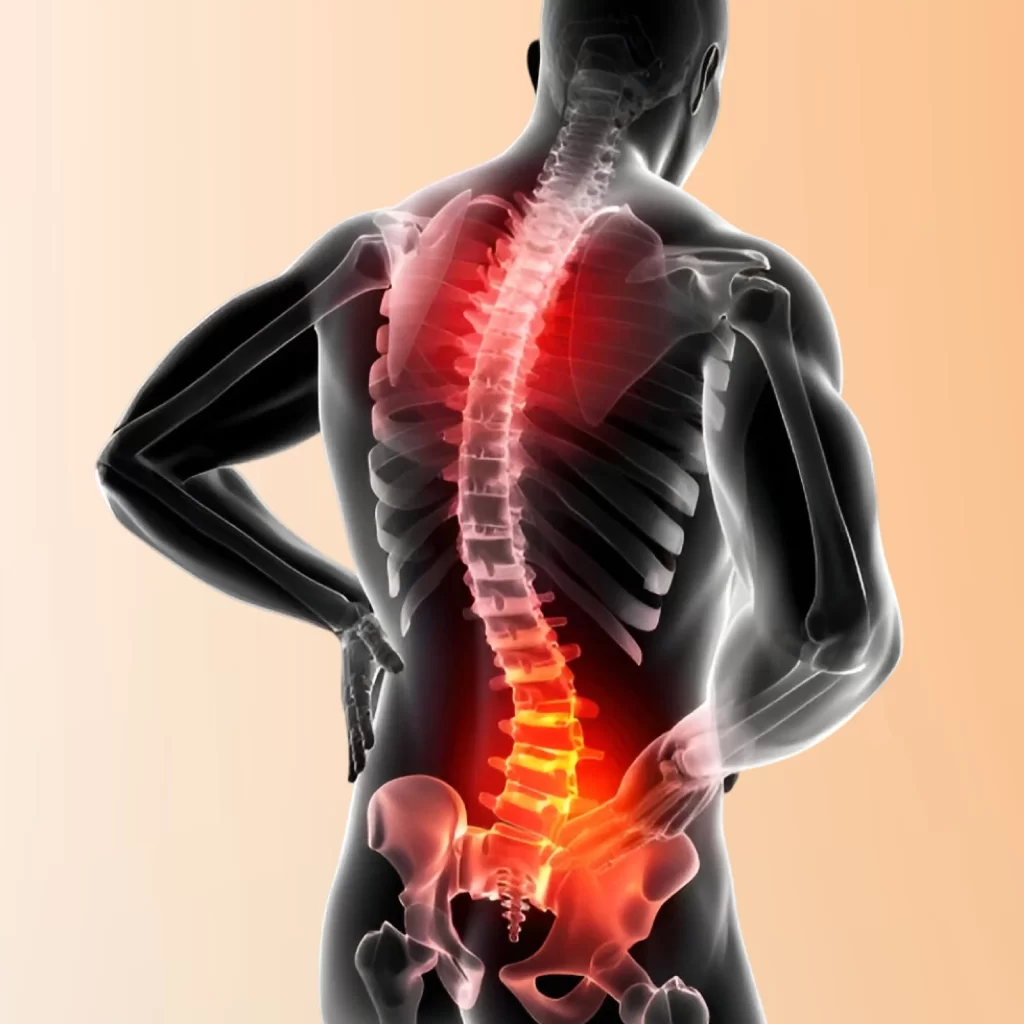
Scoliosis is a sideways curvature of the spine that makes it appear in an S or C shape when viewed from behind. The curve may be mild or severe and can affect both children and adults.
Types of scoliosis:
- Idiopathic scoliosis: The most common type, often diagnosed during adolescence.
- Congenital scoliosis: Results from spinal abnormalities present at birth.
- Neuromuscular scoliosis: Linked to conditions like cerebral palsy or muscular dystrophy.
- Degenerative scoliosis: Occurs in adults due to wear and tear of spinal discs.
Causes:
Most scoliosis cases have no known cause, but risk factors include:
- Family history of scoliosis.
- Growth disorders.
- Neuromuscular conditions.
Symptoms:
- Uneven shoulders or hips.
- Rib or shoulder blade prominence.
- Breathing difficulties in severe cases.
- Back pain, especially in adults.
Diagnosis:
Diagnosis begins with a physical exam, where the patient is asked to bend forward to observe the curve. X-rays are then used to confirm the diagnosis and measure the angle of curvature using the Cobb method.
Treatment with Dr. Hazem El Fezary:
Treatment depends on the curve’s severity, patient age, and scoliosis type. Options include:
- Observation for mild cases.
- Bracing for growing children and adolescents.
- Physical therapy to improve muscle strength and posture.
- Surgery for severe or worsening cases, such as spinal fusion or correction using advanced techniques.
Dr. Hazem uses modern and precise surgical techniques to correct scoliosis and focuses on post-operative rehabilitation and long-term care for optimal outcomes.
Can scoliosis be prevented?
While congenital or neuromuscular scoliosis cannot be prevented, early detection and regular monitoring during childhood growth stages are key to managing and minimizing the condition.
Final words:
Scoliosis is not just a cosmetic concern—it’s a medical condition that requires proper evaluation and treatment. With Dr. Hazem El Fezary’s expertise, patients can receive comprehensive care that supports spinal health and overall well-being. If you notice any signs of spinal curvature in your child or someone you know, don’t hesitate to seek medical advice.