Herniated Disc: Causes, Symptoms, and Treatment Options with Dr. Hazem El Fezary
What is a herniated disc?
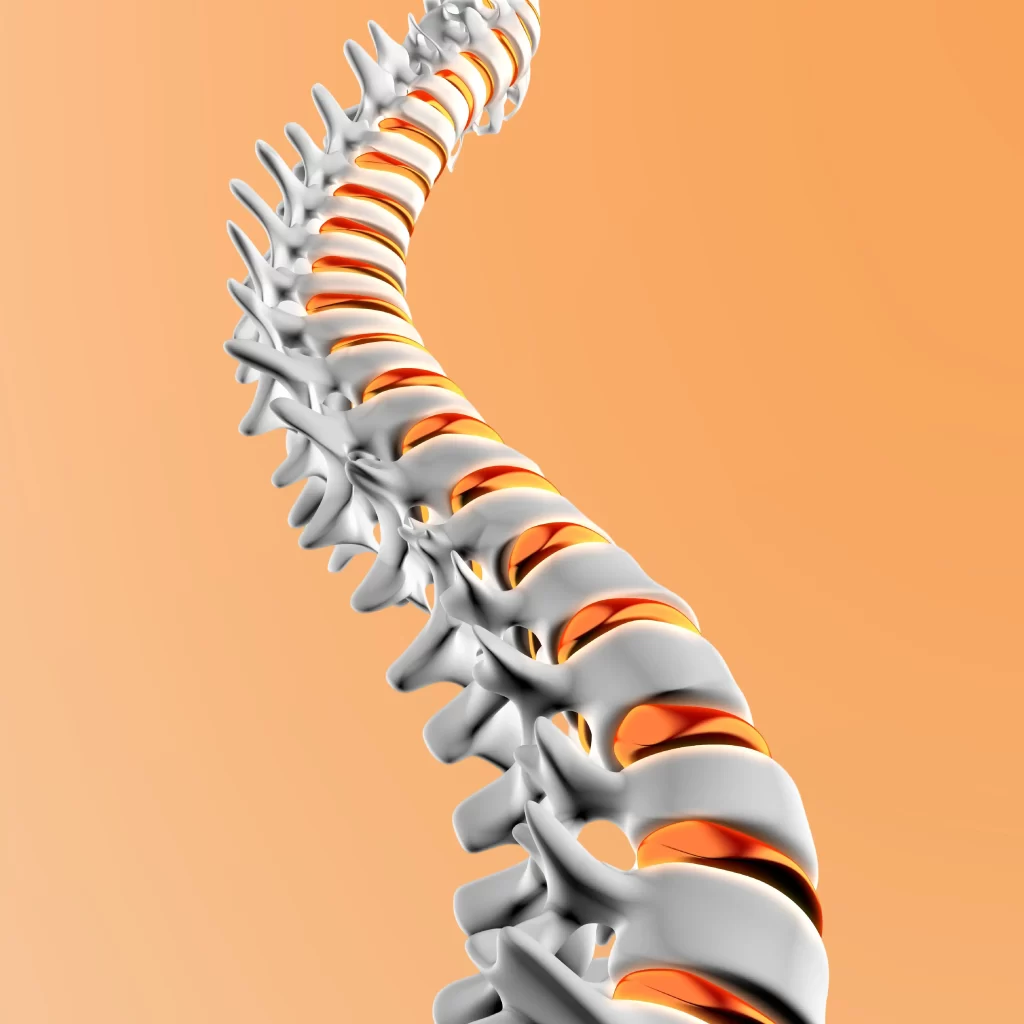
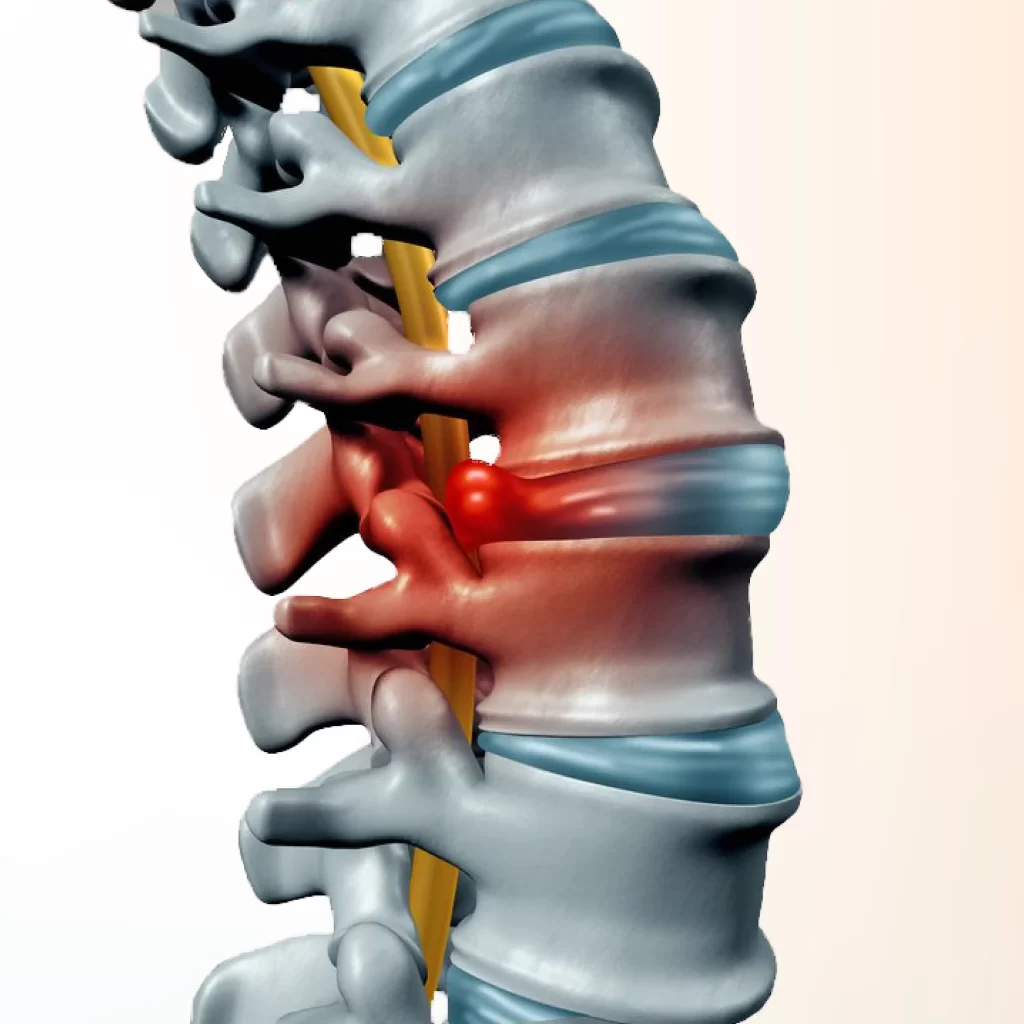
Between the vertebrae of the spine are discs that act as cushions or shock absorbers. When part of one of these discs slips out of its normal position, it can press on the surrounding nerves, causing pain, numbness, and weakness. This condition is known medically as a herniated disc or disc prolapse.
Causes of herniated discs:
- Aging, as discs lose their flexibility over time.
- Excessive physical strain or lifting heavy weights incorrectly.
- Prolonged sitting or poor posture.
- Weak core muscles.
- In some cases, a genetic predisposition.
Symptoms of a herniated disc:
Symptoms vary depending on the location and severity of the disc herniation, but common signs include:
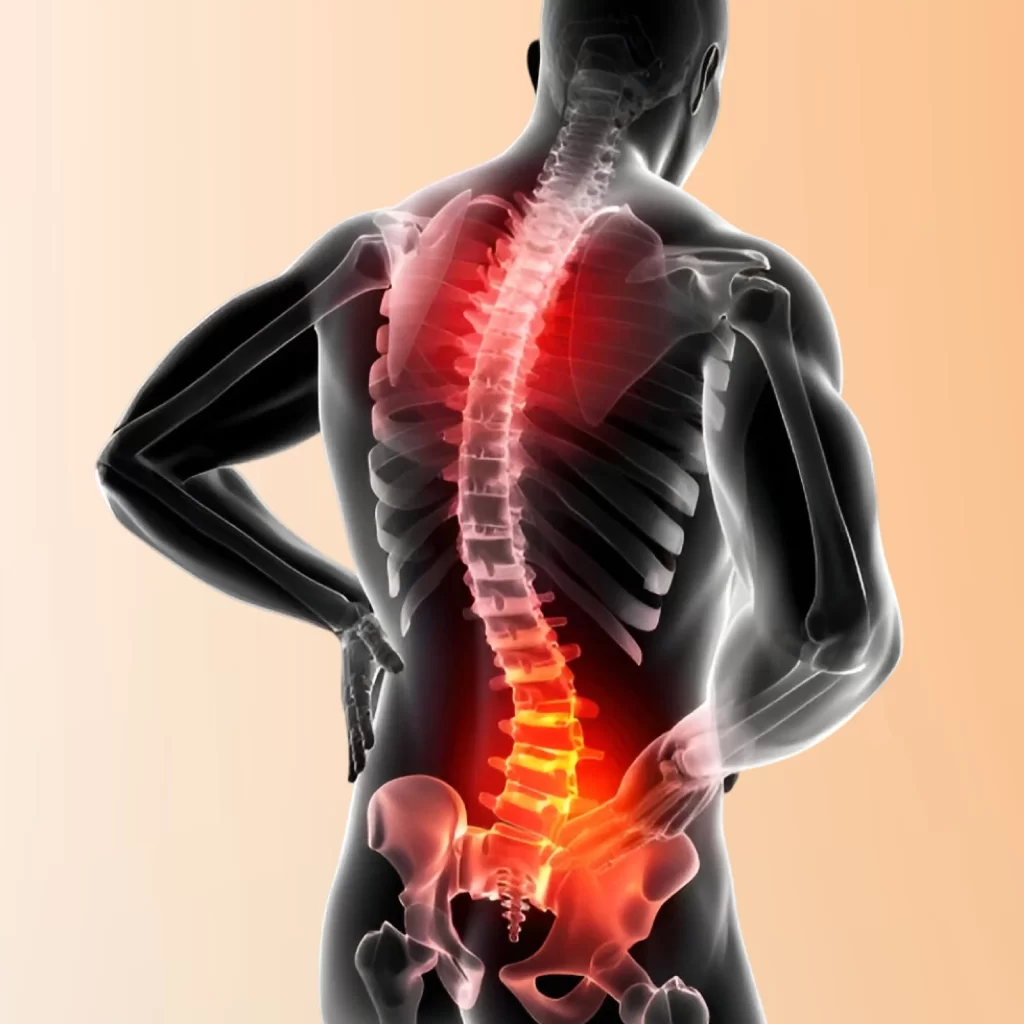
- Back or neck pain that may radiate to the arms or legs.
- Numbness or tingling in the limbs.
- Muscle weakness and difficulty performing certain movements.
- In severe cases, the condition may affect bladder or bowel control, requiring urgent medical attention.
Diagnosis of herniated discs:
Diagnosis begins with a clinical examination and detailed patient history, followed by imaging techniques such as X-rays and MRI scans. These tools help determine the exact location and severity of the herniation.
Treatment options with Dr. Hazem El Fezary:
Dr. Hazem follows a comprehensive and stepwise treatment approach. Most cases start with conservative management, including physical therapy, pain relief medications, and strengthening exercises. For cases that do not respond to conservative treatment, surgery may be considered using advanced techniques like endoscopic or microscopic surgery, which help reduce recovery time and minimize complications.
Surgery is not always the answer. In many cases, symptoms can be managed effectively without surgery. This is a core philosophy in Dr. Hazem El Fezary’s treatment plan, where he listens carefully to the patient and customizes a treatment path based on individual needs.
Prevention is better than cure:
For those who do not have a herniated disc, here are some key tips to avoid the condition:
- Maintain proper sitting posture, especially at work.
- Exercise regularly, focusing on core strength.
- Avoid lifting heavy weights improperly.
- Maintain a healthy body weight.
Final words:
A herniated disc is not the end of the road. It can be the beginning of a recovery journey that leads to significant improvement and even full return to activity when addressed scientifically and carefully with a specialist like Dr. Hazem El Fezary. If you are experiencing back pain or related symptoms, do not hesitate to seek expert consultation, as it could be your first step toward a more comfortable and active life.